Hysterectomy in Daegu
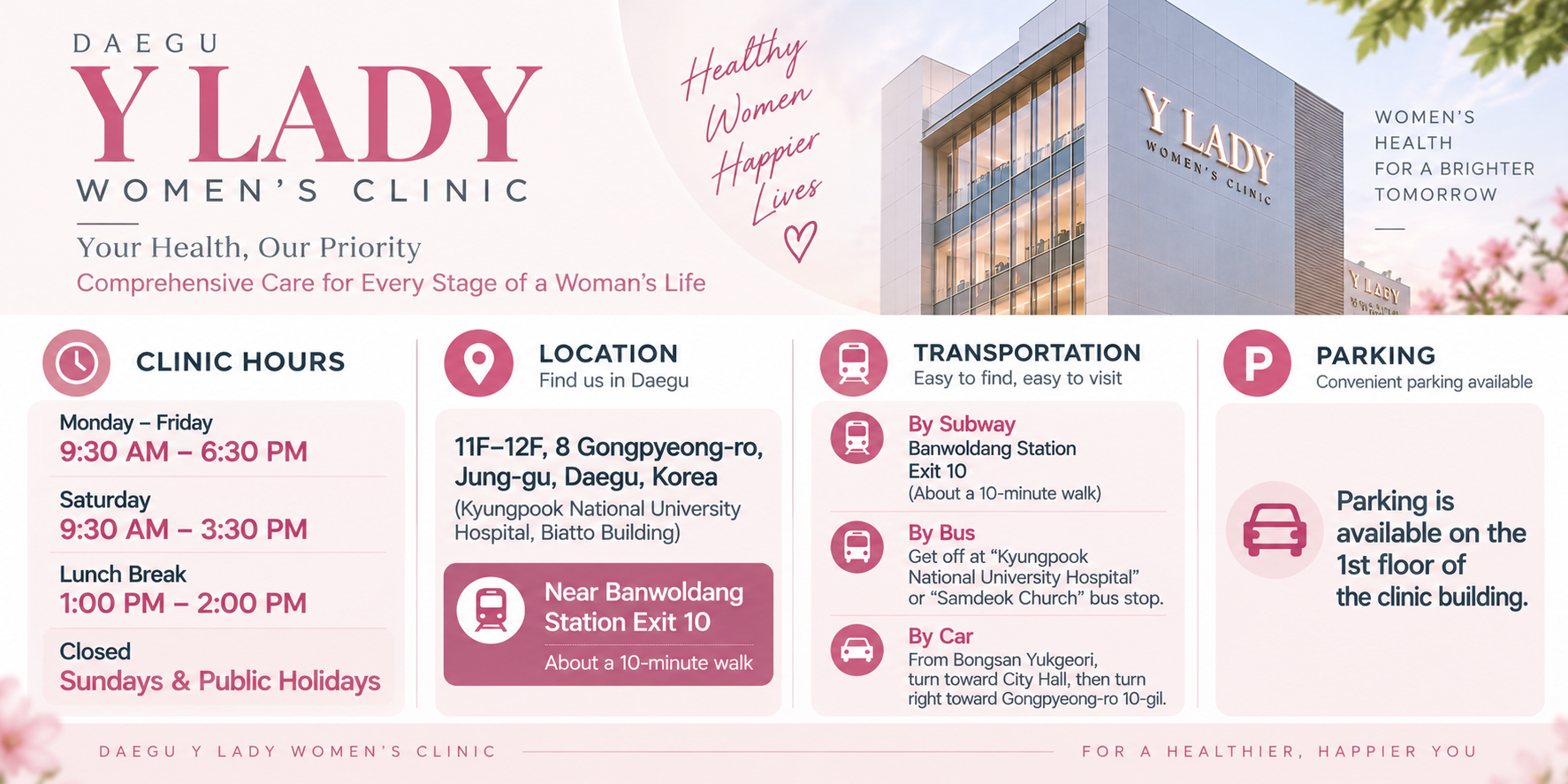
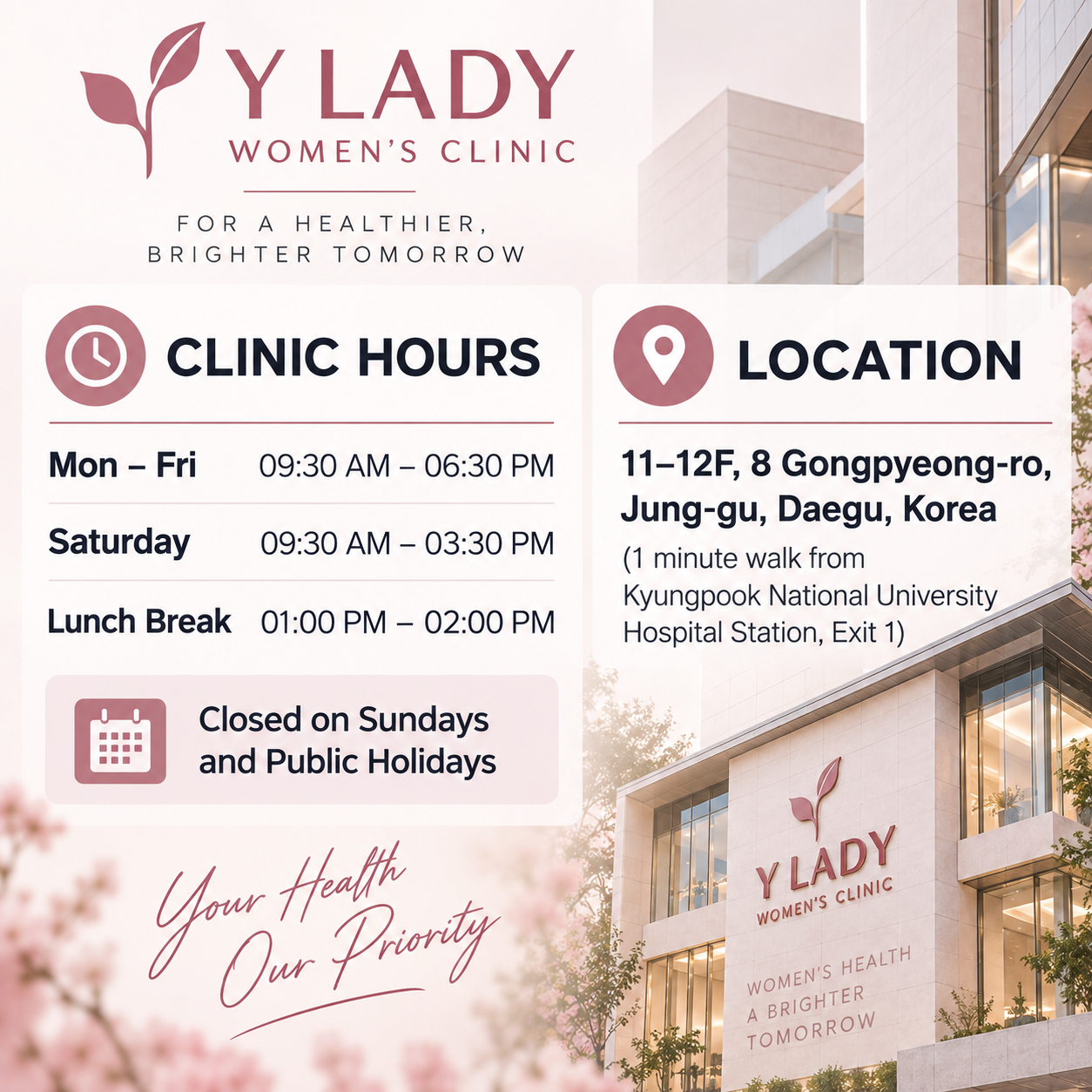
Daegu Y LADY Women's Clinic
Safe and Personalized Hysterectomy for Gynecological Conditions
Certain gynecological conditions, including large or symptomatic fibroids, persistent abnormal uterine bleeding, endometriosis, or other uterine conditions, may require removal of the uterus when other treatments are not suitable. At Daegu Y LADY Women’s Clinic, we provide hysterectomy, a surgical procedure that removes the uterus using an approach selected according to each patient’s condition and treatment needs. Our gynecological team provides personalized evaluation and treatment based on each patient’s diagnosis, symptoms, medical history, and individual needs, helping support appropriate surgical care and a comfortable recovery. International patients seeking gynecological care in Daegu, Korea are welcome.
What Is Hysterectomy?
A hysterectomy is a surgical procedure to remove the uterus. Depending on the patient's medical condition and treatment goals, the cervix, fallopian tubes, and ovaries may also be removed during the same operation.
Hysterectomy may be considered for conditions such as symptomatic uterine fibroids, adenomyosis, endometriosis, persistent abnormal uterine bleeding, uterine prolapse, or certain gynecological cancers when other treatments are not appropriate or have not been effective.
Because a hysterectomy permanently ends the ability to become pregnant, careful consultation and consideration of alternative treatments are important before surgery.
At Daegu Y LADY Women’s Clinic, each patient receives an individualized gynecological evaluation to understand the underlying condition, discuss treatment options, and determine whether hysterectomy is appropriate.
Common Reasons for Hysterectomy
A hysterectomy may be recommended for conditions such as:
- Large or symptomatic uterine fibroids
- Adenomyosis causing significant pain or heavy bleeding
- Severe or persistent abnormal uterine bleeding
- Endometriosis that has not responded adequately to other treatments
- Uterine prolapse or other structural problems
- Precancerous or cancerous gynecological conditions
- Chronic pelvic symptoms associated with certain uterine conditions
- Conditions that cannot be adequately managed with less invasive treatments
The recommendation depends on the patient's diagnosis, symptoms, age, reproductive plans, overall health, and response to previous treatments.
What to Expect During Hysterectomy
The surgical approach depends on the patient's condition and anatomy. Hysterectomy may be performed through the vagina or through abdominal incisions, including minimally invasive laparoscopic or robotic-assisted techniques when appropriate.
The procedure generally involves:
- Preoperative evaluation: Medical history, symptoms, imaging, laboratory testing, and reproductive considerations are reviewed.
- Surgical approach selection: The most appropriate method is determined based on the underlying condition and surgical requirements.
- Removal of the uterus: The uterus is carefully separated from surrounding tissues and removed.
- Additional procedures when necessary: The cervix, fallopian tubes, or ovaries may also be addressed depending on the medical indication.
- Postoperative monitoring: Recovery is monitored and individualized aftercare instructions are provided.
The removal of the ovaries is not automatically required with every hysterectomy. Whether they should be preserved or removed depends on factors such as age, medical condition, ovarian health, and cancer risk.
Recovery After Hysterectomy
Recovery varies considerably depending on the surgical approach and extent of the procedure. Minimally invasive hysterectomy generally allows a shorter recovery than abdominal surgery, although the internal tissues still require time to heal.
Temporary abdominal or pelvic discomfort, fatigue, changes in bowel or bladder habits, and light vaginal bleeding may occur during recovery.
Patients may be advised to:
- Take prescribed medications as directed
- Keep surgical wounds clean and follow postoperative instructions
- Avoid heavy lifting and strenuous exercise until medically cleared
- Gradually return to normal activities according to recovery progress
- Follow medical guidance regarding sexual intercourse
- Attend recommended follow-up appointments
If the ovaries are removed before natural menopause, the sudden reduction in ovarian hormones may cause menopausal symptoms. Hormone therapy may be discussed when medically appropriate.
Hysterectomy Cost in Daegu, Korea
The cost of hysterectomy in Daegu can vary depending on the surgical approach, underlying condition, complexity of the procedure, anesthesia, preoperative testing, facility-related expenses, medications, and postoperative care.
At Daegu Y LADY Women’s Clinic, patients can receive an individualized consultation and treatment plan, with cost information provided according to the recommended surgical approach.
Personalized Gynecological Care in Daegu
Daegu Y LADY Women’s Clinic provides individualized gynecological care with an emphasis on careful diagnosis, privacy, comfort, and informed treatment decisions. For major gynecological surgery such as hysterectomy, understanding the underlying condition and considering appropriate alternatives are important before proceeding.
Both local and international patients can receive professional consultations based on their symptoms, medical history, reproductive goals, and individual treatment needs.
Schedule a consultation at Daegu Y LADY Women’s Clinic for professional hysterectomy evaluation and personalized gynecological care in Daegu, Korea.